Designing the Perfect Personalized Produce Boxes: A Step-by-Step Guide
Developing specialized fruit and vegetable boxes requires a strategic approach. Experts must assess sustainability, practicality, and aesthetics. Picking the appropriate components is essential for maintaining freshness and advancing environmentally conscious practices. Additionally, size and configuration can greatly influence usability and shipping efficiency. Effective graphics strengthen company recognition, while thorough testing guarantees strength. Grasping these components will uncover key insights into producing standout packaging approaches that appeal to customers. What follows is essential to achieving those goals.
Determining the Best Materials for Custom Produce Boxes
When selecting materials for custom produce boxes, it is essential to assess both operational performance and environmental impact. The choice of material considerably influences the box's durability, weight, and ability to protect the contents. Common materials include corrugated cardboard, which supplies strength and is able to be recycled, making it a preferred choice for eco-conscious businesses. Decomposable options, such as molded pulp or plant-based plastics, also embrace eco-friendly practices while offering adequate protection for delicate produce.
Additionally, moisture protection is vital for keeping freshness intact, leading some producers to consider treated materials or specialized coatings. The aesthetic appeal of the box warrants attention, as brand messaging and design aesthetics can impact customer attitudes. Ultimately, the suitable material should achieve balance between preserving the goods, satisfying consumer preferences, and complying with sustainability guidelines, ensuring both functionality and sustainability are prioritized to the creation phase.
How to Identify the Right Size and Shape for Functionality?
When selecting the size and shape of custom produce boxes, thorough evaluation of produce dimensions is crucial for proper storage. Additionally, attention to handling and transport can affect the box design, ensuring ease of movement. Optimizing storage space utilization further improves functionality, enabling effective presentation and organization.
Examine Produce Dimensions Thoroughly
Assessing the suitable size and shape for vegetable boxes is essential for functionality and efficiency. Thorough measurement of produce dimensions is critical, as it validates that items fit snugly without surplus room that could produce damage during logistics and storage. Custom boxes need to support assorted configurations, from delicate berries to bulky vegetables, while maintaining structural integrity. Furthermore, the height and width of the boxes should facilitate stacking and inventory management, optimizing space in storage areas. A expertly built box not only shields the produce but also enhances consumer attraction for consumers. To sum up, careful consideration of dimensions contributes to minimizing losses and advancing buyer experience in the supply chain.
Evaluate Handling and Transport Requirements
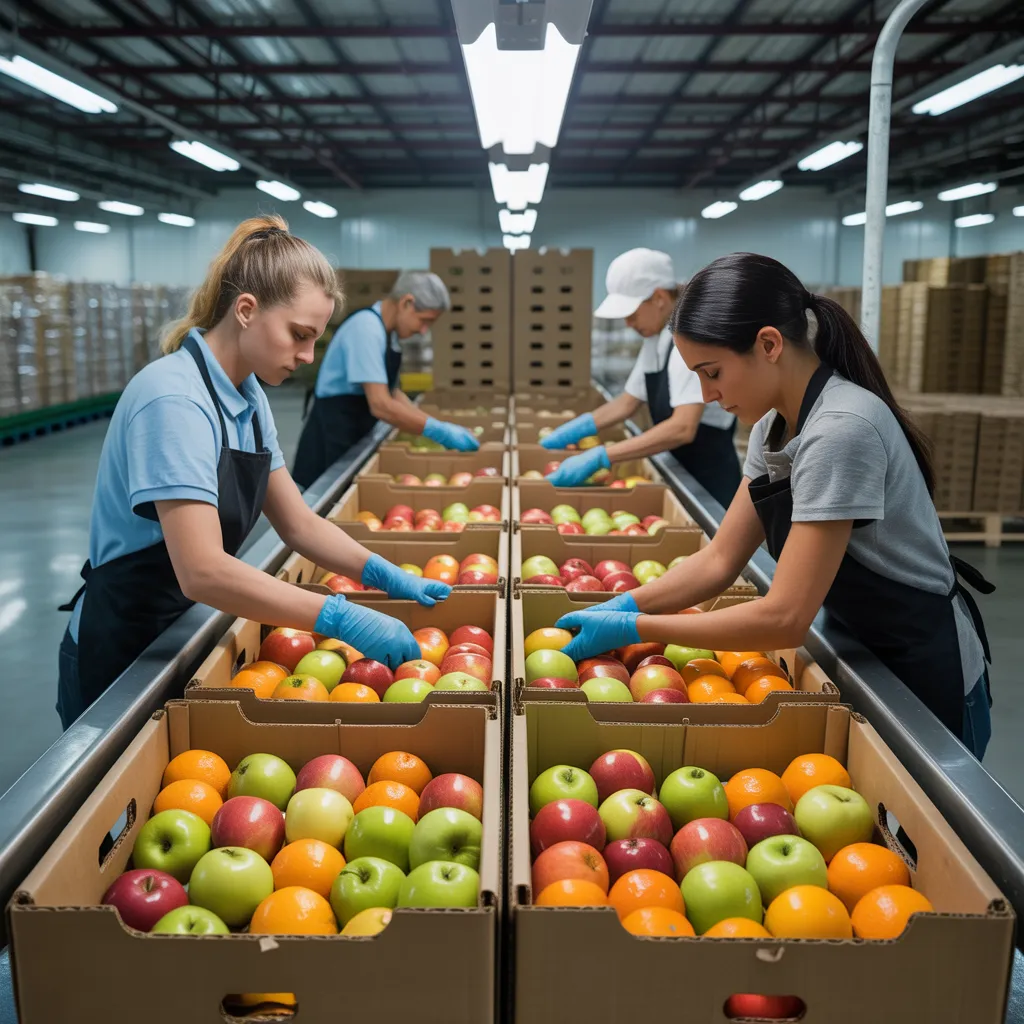
Transport and handling factors play a significant role in deciding the proper size and shape of specialized produce boxes. The dimensions must accommodate the goods without excessive room, which could result in shifting and damage throughout transport. Compact boxes assist with easier handling, while bigger containers may be necessary for larger products. Furthermore, proper design is essential; handles or openings should be strategically positioned to permit pleasant raising and carrying. The structure of the container also impacts stacking and stability, ensuring that items remain safe. Ultimately, careful consideration of these factors enhances the productivity of delivery, minimizes product loss, and upholds the general soundness of the produce from farm to consumer.
Improve Retail Space Optimization
Optimizing shelf space usage is contingent upon choosing the suitable size and shape of specialized agricultural containers. Planners should assess the size specifications of the storage systems as well as the categories of crops being arranged. Rectangular boxes often boost space efficiency, facilitating for more convenient organization and positioning. In contrast, non-standard forms can boost visual appeal but may cause lost capacity if not strategically planned.
It's important to examine the product rotation speed; quick-moving products might leverage smaller, conveniently positioned containers. In addition, applying flexible or customizable designs can facilitate multiple sizes of produce while enhancing shelf arrangement. By focusing on practical design with visual appeal, enterprises can establish a practical and eye-catching presentation that improves both accessibility and visibility of goods.
How to Develop Artwork That Command Notice?
Compelling graphics can reshape a plain custom produce box into a beautiful showcase that draws attention. To achieve this, visual artists should commence by selecting a color palette that reflects the vigor and brightness of the produce. Bright, eye-catching colors can evoke impressions of freshness and wellbeing, motivating consumers to take a further look.
Using strong typefaces is equally important; clear and legible fonts can effectively communicate key details while improving visual appeal. Furthermore, incorporating high-quality images of the items can establish instant rapport, showcasing the product's quality and attracting prospective customers.
In addition, integrating unique patterns or illustrations can assist in distinguishing the brand in a crowded market. Consistency in visual aspects, such as logos and taglines, reinforces brand identity. Ultimately, a mixture of creativity and clarity in visual design can substantially improve the influence of custom produce boxes, making them stand out on shelves.
Green Practices for Custom Produce Box Packaging
An rising quantity of companies are adopting environmentally sustainable practices for custom produce box packaging, recognizing its importance in today's eco-aware market. These practices often encompass the use of biodegradable materials, such as recycled paper and plant-based plastics, which reduce environmental impact. Companies are also focusing on responsible material sourcing, guaranteeing that materials are obtained from responsibly managed forests or suppliers who prioritize environmental stewardship.
Furthermore, numerous brands are opting view this guide for understated designs that reduce waste while still efficiently promoting their products. This method not only appeals to environmentally conscious consumers but also helps in lowering production costs. Moreover, businesses are increasingly implementing efficient manufacturing processes that limit energy consumption and waste generation. By incorporating these sustainable practices, companies not only boost their brand image but also contribute positively to the planet, positioning their operations with a sustainable future.
Examine Your Tailored Produce Box Structure
Assessing the design of custom produce boxes is a critical component in ensuring they satisfy both aesthetic and useful requirements. This approach typically involves reviewing factors including toughness, measurements, and usability. First, prototypes should be made to test the container's mechanical strength, confirming it can withstand movement and storage without weakening the contents.
Afterwards, performance tests can be done to figure out how without difficulty the boxes can be opened, closed, and stacked. Opinions from likely users can be crucial in this juncture, presenting viewpoints into the box's practicality.
In addition, the design's aesthetic value should be validated through focus groups or surveys, analyzing audience responses to branding features, colors, and full design presentation.
In the end, rigorous testing permits designers to improve the box, guaranteeing it not only appeals to customers but also adequately protects and displays the produce within, achieving the right equilibrium between form and function.
Promoting Your Tailored Produce Boxes Effectively
Successful promotion of personalized vegetable containers demands a well-planned strategy that emphasizes their unique features and benefits. Businesses should focus on determining their target audience, whether they are local farms, grocery stores, or individual consumers. Leveraging social media platforms can amplify market visibility, showcasing the boxes' design and practicality through compelling visuals and storytelling.
Additionally, establishing partnerships with neighborhood advocates and farming professionals can strengthen credibility and enlarge customer base. Featuring promotions or discounts during peak demand times can capture early consumers and encourage repeat business.
Furthermore, promoting environmental sustainability and green values in promotional messaging can appeal to sustainability-focused buyers. Presenting detailed information about material sources and the advantages of bespoke packaging designs can better establish the brand in a saturated marketplace.
In the end, a thorough marketing strategy that integrates digital and neighborhood-level efforts will efficiently advance custom produce boxes, engaging a diverse clientele and driving sales.
Frequently Requested Questions
What Are the Costs Associated With Custom Produce Box Design?
Charges regarding custom produce box design feature materials needed, printing, labor, and shipping. Also, design consultation and order thresholds can shape total costs, creating varying prices based on individual specifications and production size.
What Duration Is Required to Manufacture Tailored Boxes?
Production of custom boxes typically requires two to six weeks. Key factors shaping this timeframe involve design intricacy, sourcing of materials, and production capacity, all of which can influence shipping timelines and lead times.
May I Acquire a Compact Shipment of Made-to-Order Produce Boxes?
Yes, small quantities of custom produce boxes can typically be ordered. Many suppliers offer baseline order amounts, permitting organizations or people to procure personalized packaging options without needing to commit to large amounts from the beginning.
What Frequent Mistakes Must Be Prevented in Custom Box Design?
Typical mistakes in custom box layout involve neglecting functionality, ignoring brand consistency, underestimating material quality, not considering target audience preferences, and overlooking environmental impact. Each aspect is vital for successful packaging and customer satisfaction.
What Steps Should I Take to Confirm My Boxes Are Safe for Food?
To ensure boxes maintain food-safe status, individuals must pick compounds approved for food contact, eliminate harmful inks and adhesives, maintain cleanliness during production, and regularly test for compliance with health regulations and safety standards.